Guide
You don't have a topic problem. You have a beat problem.
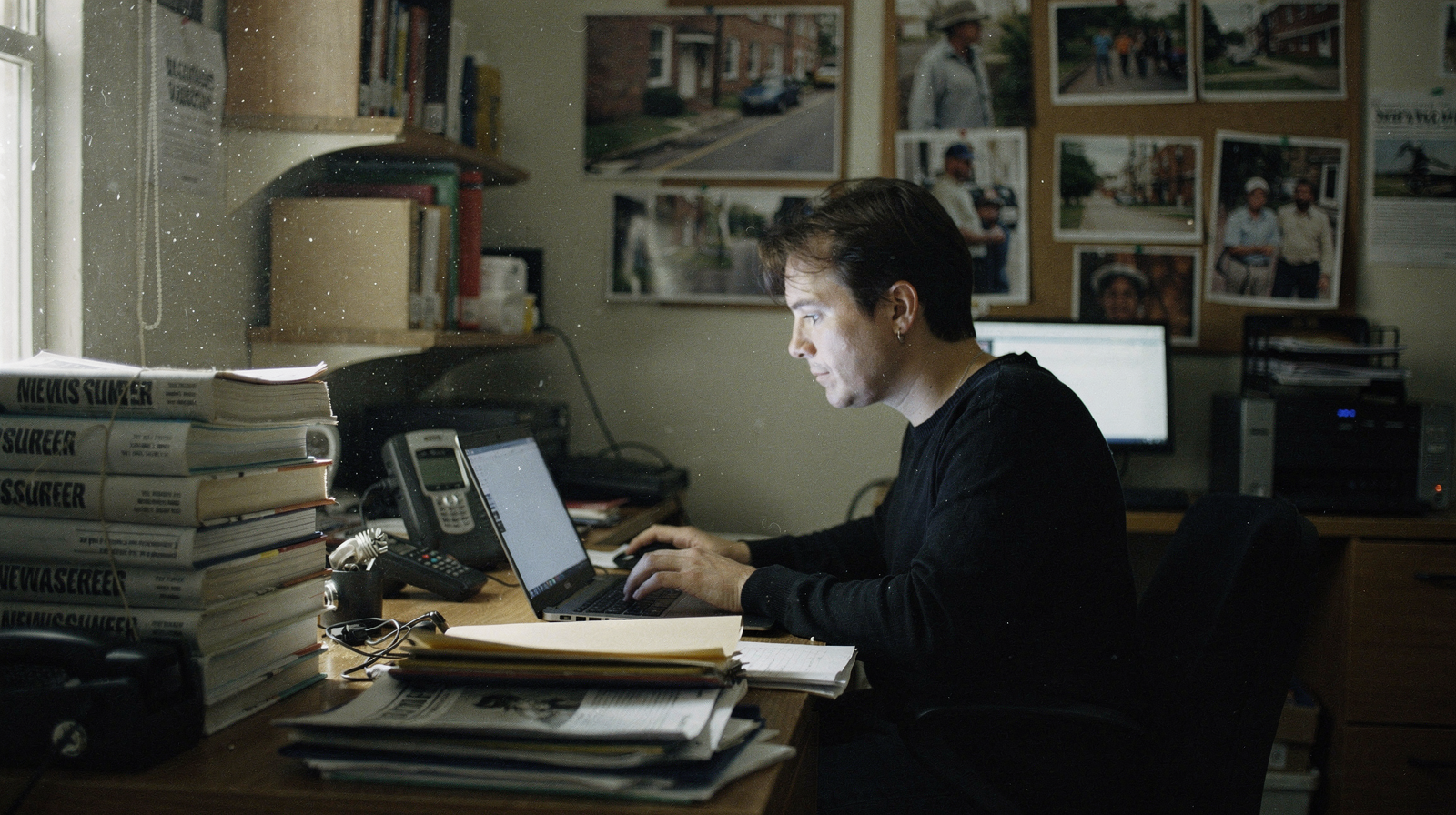
Newsletters that never run dry didn't find more ideas. They committed to a beat: a standing obligation to named primary sources on a narrow slice of the world.
9:40 on a Sunday night
It is 9:40 on a Sunday night and the cursor is blinking in an empty draft. You have published every week for fourteen months. You are good at the writing part. That is not where the night is going. The night is going on the open tab next to the draft, the one where you are scrolling your own feed looking for something, anything, that feels worth a thousand words. You read four newsletters in your space. Two covered the same announcement you already saw. You close the tab. You open a notes app full of half-ideas you saved precisely so this would not happen, and none of them feel like this week. By 10:15 you have not written a sentence. You have a content calendar with empty cells and a growing suspicion that the calendar was never the problem.
The beat problem
Here is the reframe we keep coming back to at the Niche desk: you do not have a topic problem, you have a beat problem. A topic problem sounds like 'I am out of ideas,' and it sends you shopping for more: idea generators, swipe files, a bigger reading list. A beat problem is quieter and more structural. It means you never made the prior commitment that resolves story selection before the draft opens. A beat is not a theme and it is not a category. A beat is a standing obligation to a named set of primary sources on a narrow slice of the world, sources you check on a schedule whether or not you feel inspired. The reporter on the housing beat does not wonder what to write about. The filings came out Tuesday.
Why 'what should I write about' is the wrong question
The entire idea-generation industry answers the topic question, and that is why it does not help for long. Get twenty headlines, all plausible, none yours, and you are back at the blank draft by Thursday because a headline is not a source. The advice to 'just niche down' has the same defect. Niching down gives you a smaller category, a tighter label on the same empty folder. 'I write about productivity for designers' is narrower than 'I write about productivity,' but it still does not tell you what happened this week. A category is a description of your output. A beat is a description of your inputs. Confuse the two and every week starts from zero, because the label on the folder cannot generate the contents of the folder.
What the people stuck on this are actually saying
This is not our diagnosis imposed on the field. The field diagnoses itself. In the communities where solo writers gather, like r/Substack and r/Newsletters, some version of "what do I write about" is a recurring, chronic question rather than an occasional one. The revealing part is the kind of answer it draws. The useful replies rarely hand over a list of topics. They point at the real bottleneck: not running out of ideas, but not being able to tell which idea actually matters this week. That is a community describing a beat problem in the vocabulary of a topic problem. The demand is chronic and structural, not a moment. People do not run out of words. They run out of a defensible reason to point the words at one thing instead of another.
What defining a beat actually looks like
Take a writer covering 'the creator economy,' which is a category, not a beat, and watch what changes when it becomes one. The category stays. Underneath it she names five primary sources she will check every Monday: the payout-terms pages of the two platforms her readers publish on, a specific set of creator-tier filings, the changelog of the tool her audience lives in, and two operators who post their real numbers. Now Monday is not a brainstorm. It is a route. She walks the five sources, three are quiet, one platform changed its referral split, and the story writes its own angle: here is what the new split costs a mid-sized newsletter, with the math. She did not generate that. She found it, because she had committed to the place it would appear. Story selection happened before the draft opened, which is the entire point.
What changes when you have a beat instead of a topic list
If the thesis holds, a lot of the creator-advice canon inverts. Consistency stops being a discipline problem and becomes a sourcing problem: you are consistent because the sources keep producing, not because you white-knuckled another week. Originality stops being about cleverness and becomes about coverage: your angle is yours because you are standing where few others are standing, watching inputs they are not watching. Burnout eases at the upstream end, where it actually starts, because the dread of the blank page was never about writing. It was about the unbounded search that came before writing. A beat bounds the search. And the work compounds. A reading list resets every week; a beat accrues. Month six on a beat, you know which source is noise, which filing pattern precedes a story, what normal looks like, so the anomaly that becomes the piece is visible to you and invisible to everyone covering the category from the outside.
Beats need infrastructure, not inspiration
Here is the practical problem with running a real beat: checking named primary sources on a schedule is work, and most of it is the unglamorous upstream kind. Filings, changelogs, sponsor and donor records, earnings calendars, edit histories on the pages that move before the news does. This is the part we built Niche to carry. A beat in Niche is not a topic prompt; it is a set of sources wired to a vertical and watched on your cadence. Wikipulse watches the Wikipedia edits that tend to move ahead of a story breaking. Wall Street Beat pulls SEC EDGAR filings, Department of Defense contract awards, and the earnings calendar. Political Insider cross-joins Congress sponsor-legislation with FEC donor records. Each is a named beat with named sources, which is the opposite of a generator handing you twenty headlines. The desk researches the signal so the judgment, the part that is yours, is the part you spend your time on.
You don't run out of words
How narrow can a beat get before the sources go quiet and a weekly cadence starves? A daily beat needs more live inputs than a weekly one, and the floor is different for every vertical, so that is worth working out for your own beat before you commit to a schedule. But the reframe holds wherever the floor lands. You do not run out of words. You run out of a defensible reason to point them at one thing this week instead of another. Define the beat, and the question stops being what to write. It becomes which of the week's signals is the one worth writing about.
Frequently asked questions
What should I write about for my newsletter this week?
If you are asking that every week, the missing piece is usually not ideas, it is a beat. Name a narrow slice of your domain and a handful of primary sources that cover it, then check those sources on a schedule. The week's story comes from what the sources did, not from a brainstorm.
What is the difference between a niche and a beat?
A niche is a category, a label on your output ('productivity for designers'). A beat is a description of your inputs: a standing obligation to named primary sources you check on a schedule. A category tells the reader what you cover; a beat tells you what happened this week.
Why do I keep running out of newsletter ideas?
Most likely you are not out of ideas, you are out of a defensible reason to pick one over another, which is what a beat provides. Without sources you check on a cadence, every week starts from a blank, unbounded search. A beat bounds that search before the draft opens.
How do I choose a beat?
Start from your readers, not your interests. Pick a narrow domain they care about, then list the primary sources where news in that domain actually appears first: filings, changelogs, official records, a few operators who post real numbers. If you can name five to nine sources you would check weekly, you have a beat.